


Dopamine Decor and Maximalism: Where the Two Actually Split
Maximalism and dopamine decor get treated as synonyms in most of what is written about either. They overlap heavily in photographs, which is probably why. The underlying idea is different, and if you are shopping it matters.
Maximalism is about abundance
Maximalism is a compositional position: more is more. Layered pattern, layered rugs, full walls, collections on display, furniture with presence. It has a long history, it can be done in deep jewel tones or in pastels, and a maximalist room can be quite restrained in palette while still being unmistakably maximalist.
The measure is density. Take things away and it stops being maximalist.
Dopamine decor is about effect
Dopamine decor is a selection criterion, not a density target. The question is whether the object improves how you feel in the room. That criterion often produces a busy room, because most people's honest answers add up to a lot of things. It does not have to.
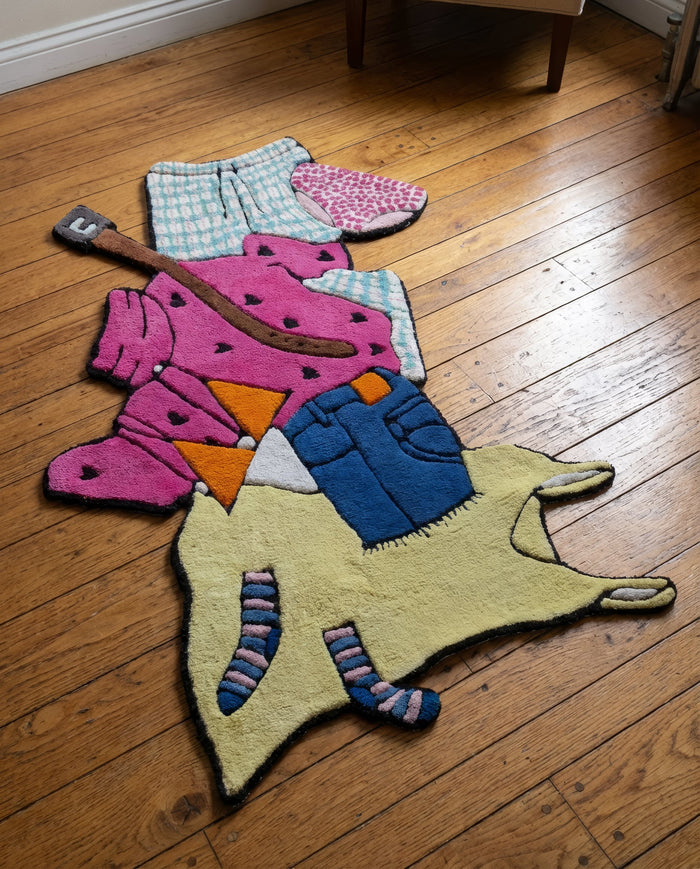
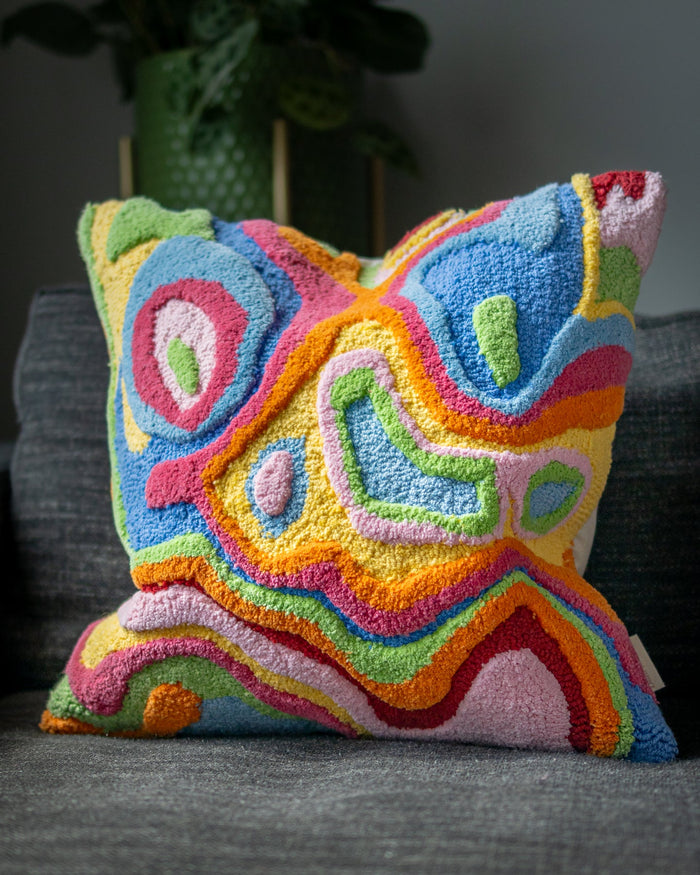
The measure is the reaction. A single hand-tufted abstract rug in a bare room qualifies. A dense maximalist room assembled for a look, containing nothing the owner particularly loves, does not.
That distinction sounds academic until you are deciding whether to buy the ninth pillow. Under maximalism the answer is usually yes. Under the other, the answer is only yes if the pillow does something for you.
What contemporary maximalism actually looks like
The clearest working example we have is Dani Klarić, who designed two collections with us. She calls her own style playful nostalgia crossed with contemporary maximalism, and when Bed Threads asked her to describe her home she gave them three words: chaotic, eclectic and whimsical.
Her apartment is close to ninety percent secondhand. Art Deco mixed with pieces from the sixties through the nineties, mint green and pink and turquoise, a post-modern pink bed she names as her favorite thing she owns. She has done Alice in Wonderland wallpaper with Otto Studio and animal prints with Desenio.
That is maximalism in the real sense: density built up over years out of things found cheaply, not a look ordered in one checkout.

Shop this look

Where they produce different rooms
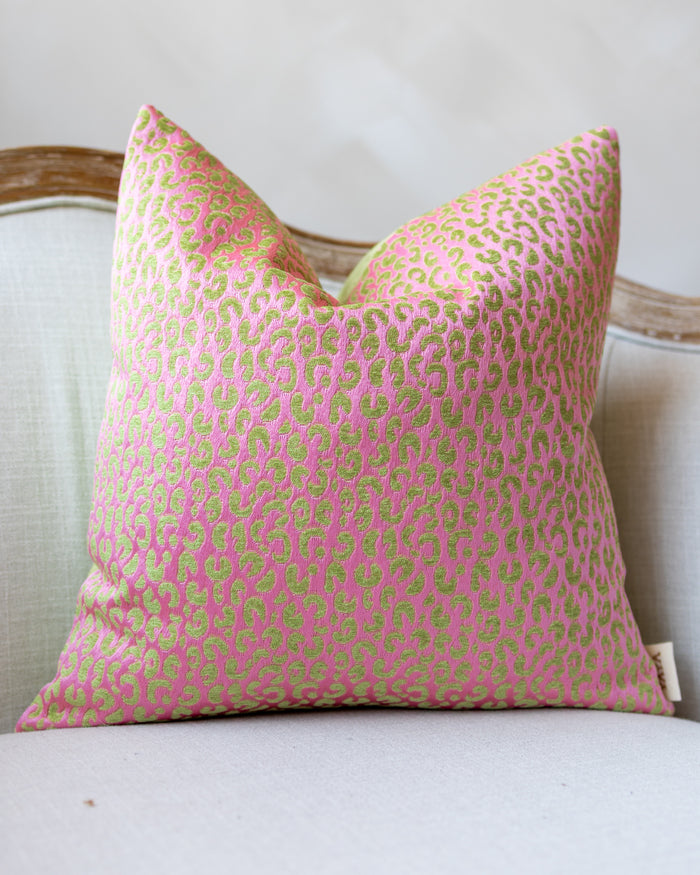
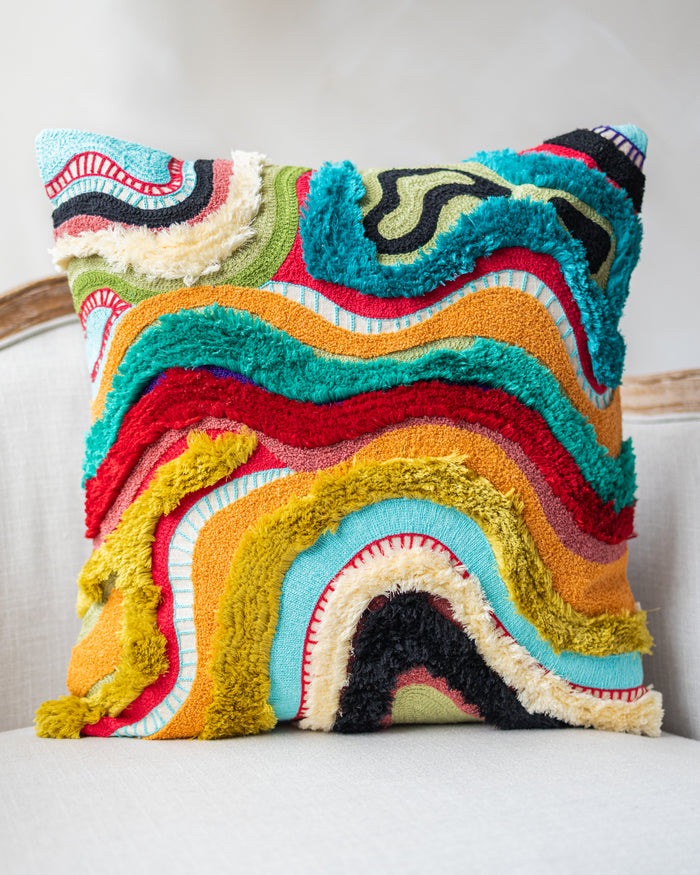
A maximalist bedroom might layer three patterns on the bed, hang art above the headboard and put a patterned rug underneath. A dopamine-led bedroom is more likely to put everything into one strong duvet or one hand-beaded pillow and leave the wall empty, because that is what actually lifts the room for that person.
Maximalism is comfortable with objects that are interesting but not beloved, because they contribute to the whole. The other approach treats those as clutter.
Eclectic maximalism
The version most people mean when they say maximalism now is really eclectic maximalism: globally sourced textiles, vintage furniture, contemporary art, mixed periods. It is the most common way the two ideas meet, because eclectic collections are usually assembled over time out of things someone genuinely wanted.
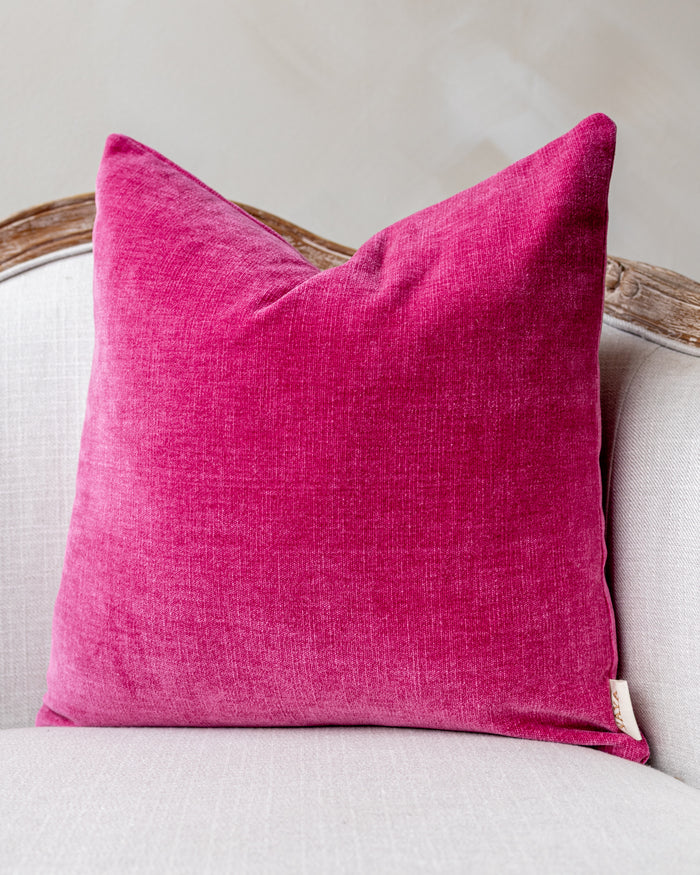
This is the closest to how our own pieces get used. An ikat pillow next to a cheetah embroidery next to a plain velvet, on a sofa in front of a hand-tufted abstract. Nothing there matches. All of it was chosen.

Shop this look


Which one you are doing
A quick test. Walk through the room and point at everything you would replace if it broke. If most of it, you are probably decorating for effect and should stop buying filler. If a lot of it is there to hold the composition together and you would swap it for something similar without much feeling, you are doing maximalism and that is a legitimate thing to be doing.
Neither is better. They just lead to different shopping lists. One says buy more. The other says buy the right one and stop.
Buying secondhand, which both agree on
The cheapest route into either is the one Dani takes: buy the furniture used and spend the money on color. A vintage sideboard costs a fraction of a new one and has more presence. The rug, the textiles and the art are where new money is better spent, because those are the pieces carrying the palette and the ones that get handled daily.
It is also the more defensible version environmentally, which matters if you are the sort of person who thinks about that when buying a sofa.
Doing both
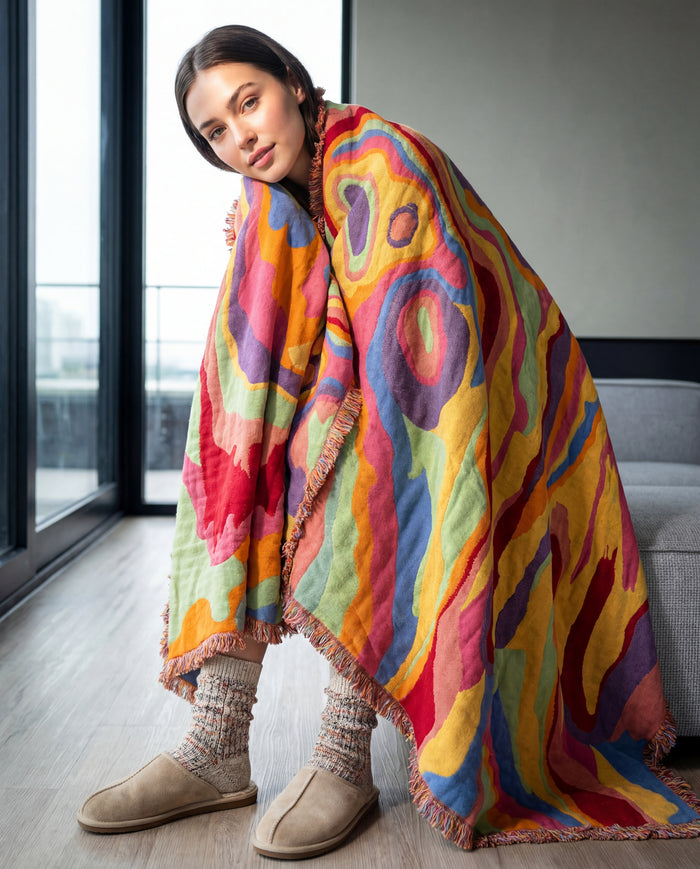
Most colorful homes end up somewhere in the middle, and the middle is fine. Dense in the living room where there is furniture and life, pared back in the bedroom. Our own collections are built to work either way: the abstracts run across rugs, poufs, pillows and blankets so you can go deep on one colorway, and the embroidered pieces stand on their own if you want a single loud object in a quiet room.
If you are still deciding, the pared back version is in minimalist dopamine decor and the full room build is in living room ideas.
Everything discussed here is in dopamine decor, and Dani's own designs are in the Dani Klarić collection.
Keep reading
Dopamine Decor


Dopamine Decor
Color you can put down and take with you
Hand-tufted abstract rugs, embroidered throw pillows and tapestry blankets in organic cotton and wool.
Shop dopamine decor